Wooden Cupcake Display Cake Stand 321 Review
As a designer who spends more time looking at stitch lines than actual fabric, I approach every new digital asset with a mix of optimism and skepticism. We have all been burned by designs that look beautiful in a vector preview but turn into a tangled mess on the hoop. Today, I am putting Wooden Cupcake Display Cake Stand 321 under the microscope. While the product description highlights its origins as a file for laser cutting—specifically mentioning compatibility with Glowforge machines and formats like SVG, DXF, PDF, AI, and CDR—I am evaluating it strictly through the lens of an embroidery professional. Can this design translate effectively from a flat cut to a stitched surface? Does it hold up in a real-world commercial project?
First Impressions: Mood and Visual Personality
The name itself suggests a specific aesthetic: rustic, sweet, and celebratory. When I first opened the file to inspect the geometry, what struck me was the clean, structured layout. The "Wooden" aspect of the title implies a texture or a style that mimics natural grain or simple joinery, which is excellent news for embroidery. Unlike overly intricate floral patterns that can get lost in busy fabrics, this design feels grounded. It has a visual weight that commands attention without shouting.
For a craft business owner or an Etsy seller, this mood is incredibly versatile. It fits perfectly into the current trend of cozy, handmade home goods. The design doesn’t scream "corporate" or "minimalist"; instead, it whispers "boutique." This is the kind of imagery that works beautifully for nursery decor, baby showers, or wedding favors. It creates an immediate emotional connection because it taps into the universal appeal of celebration and comfort. As a designer, I appreciate when a file communicates its theme instantly. You don’t have to guess where this belongs; it naturally gravitates toward soft, tactile products.
Real-World Application: From Digital File to Finished Product
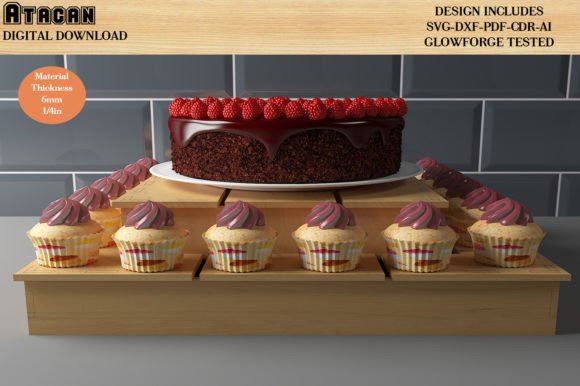
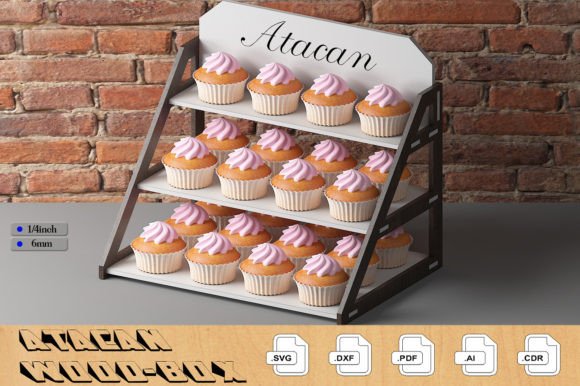
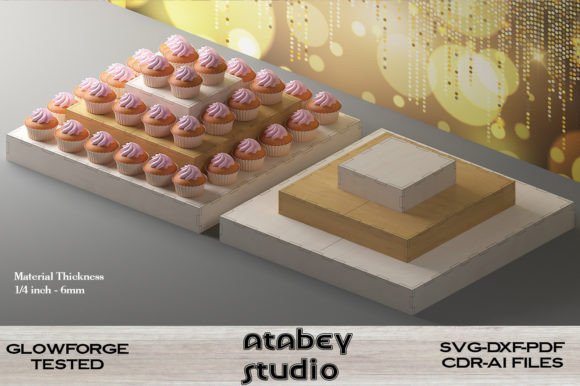
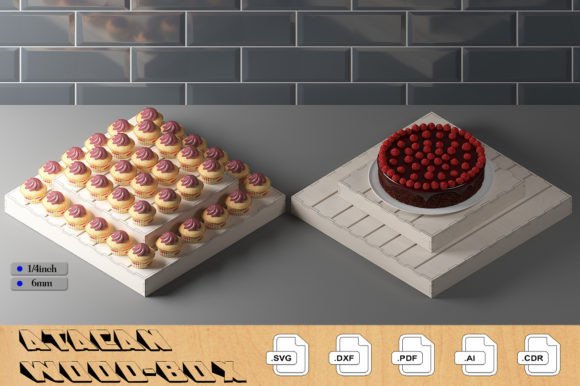
Let’s talk about how this would perform if you were actually stitching it onto a physical item. Imagine you are preparing a batch of custom aprons for a local bakery client or creating personalized gift sets for the holiday season. Wooden Cupcake Display Cake Stand 321 offers a fantastic focal point. Because the design likely features distinct shapes (representing the stand and perhaps cupcakes), it allows for clear separation between elements, which is crucial for readability in machine embroidery.
I envision this design shining on sturdy cotton canvas tote bags. The structure of a tote bag provides a stable surface, allowing the design to lay flat and crisp. However, my experience suggests that this design could also be adapted for softer items like sweatshirts or hoodies. If you are using a dense fill stitch for the main body of the stand, you need to ensure the garment has enough stability to prevent puckering. For smaller projects, such as embroidered patches or cap fronts, the design’s proportions become critical. If the details are too fine, they may disappear in the thread. But if the file maintains bold lines, it will translate beautifully to a hat brim, adding a charming touch to casual wear.
Furthermore, consider the scalability. In the world of digital product sellers, versatility is key. A design that works well on a large pillow cover should ideally scale down effectively for a tea towel or a kitchen napkin. Wooden Cupcake Display Cake Stand 321 seems to possess that adaptable quality. It feels substantial enough to anchor a larger piece of decor while remaining detailed enough to serve as a cute accent on a smaller item. This flexibility increases the perceived value of your digital assets, making them more attractive to buyers who want multiple uses for a single purchase.
Technical Considerations and Fabric Compatibility
No matter how beautiful a design looks on screen, its success depends entirely on execution. Here is where my reviewer hat comes on tight. Not all fabrics play nice with every stitch pattern. If you are planning to use this design on stretchy knits, such as baby onesies or jersey t-shirts, you must be cautious. Stretchy fabrics require a strong stabilizer, often tear-away or cut-away depending on the garment's weight, to prevent the design from distorting during stitching. Without proper support, even the best design will look wavy and unprofessional.
Thread color contrast is another non-negotiable factor. If the design relies on subtle shading or thin lines, dark fabrics might swallow those details. I always recommend testing your chosen thread colors against your fabric before committing to a full production run. For light-colored linens or cottons, pastel threads might work well to maintain the soft, wooden aesthetic. On darker backgrounds, you might need brighter, contrasting threads to make the design pop, or you might opt for appliqué techniques to add dimension and texture that mimics the "wooden" theme physically rather than just visually.
Stitch density is also a vital consideration. High-density fills save time but can make a finished product stiff and heavy. For items like pillow covers or blankets, this stiffness might be acceptable, but for wearable apparel, it can reduce comfort. Check the file settings to ensure the stitch count is reasonable for the intended use. If the design includes small decorative accents, verify that they are large enough to be stitched cleanly. Tiny running stitches can break easily, leading to frustration for both the maker and the end-user.
Practical Designer Notes for Success
- Test on Scrap First: Never assume a file will work perfectly out of the box. Always run a test stitch on a scrap piece of the exact fabric you plan to use. This reveals issues with tension, stabilization, and scaling immediately.
- Check Hoop Size: Ensure the design dimensions fit within your machine’s maximum hoop size. If you are working with larger items like duvet covers, you may need to split the design or use an extension hoop.
- Review Stitch Types: Identify where satin stitches, fill stitches, and running stitches are used. Satin stitches provide sharp edges, while fill stitches offer coverage. Understanding this helps you choose the right thread type (e.g., polyester for durability, rayon for sheen).
- Black and White Mockups: Convert your design to black and white in your editing software. This helps you see the balance and spacing without being distracted by color choices. If the design looks cluttered in monochrome, it will likely feel chaotic in color.
- Licensing Verification: Since this file originated as a laser cutting asset, double-check the license terms for embroidery use. Some vendors restrict commercial use of files converted from other formats. Confirming this protects your business from legal issues.
Final Verdict: A Strong Asset for Handmade Brands
Ultimately, Wooden Cupcake Display Cake Stand 321 feels like a thoughtful, well-constructed design that respects the medium of embroidery. It avoids the trap of over-complication and focuses on clear, appealing imagery. For small shop owners, boutique branding, and creative entrepreneurs, this design offers a reliable way to add value to products ranging from custom apparel to home decor. It bridges the gap between digital precision and handmade warmth.
While the source material mentions laser compatibility, its potential in the embroidery space is significant. By paying attention to fabric choice, stabilization, and thread selection, you can transform this digital file into a tangible, high-quality finished product that customers will love. It is not just a design; it is a tool for building trust and showcasing professionalism in your craft business. If you are looking to expand your catalog with items that evoke joy and comfort, this stand design is a worthy addition to your library. Just remember: the magic happens in the details, so take the time to test, refine, and perfect your technique before presenting your work to the world.