Futuristic HUD Interface Design Review
When I first opened the file for Futuristic HUD Interface Design, I didn't just see a graphic; I saw a story waiting to be stitched. As someone who has spent years turning digital pixels into tactile thread, my first instinct is always to ask: "How will this hold up under a needle?" The description mentions that this piece represents human progress in advanced technology and culture, which sets a very specific mood. It feels sleek, precise, and undeniably modern. But does it translate well from a screen to a piece of fabric? After running through several mental simulations of how this would look on various materials, I am ready to share my practical assessment for fellow designers, Etsy sellers, and craft business owners.
The First Stitch: Visual Personality and Mood
Futuristic HUD Interface Design carries an energy that is distinct from traditional floral or whimsical motifs. It screams efficiency, data, and high-tech precision. When you place this design on a project, it immediately elevates the perceived value of the item. It suggests that the wearer or owner is forward-thinking and appreciates clean lines and structured aesthetics. Unlike organic shapes that soften over time with wear, this design maintains its sharp character, making it ideal for branding or items where a professional image is paramount.
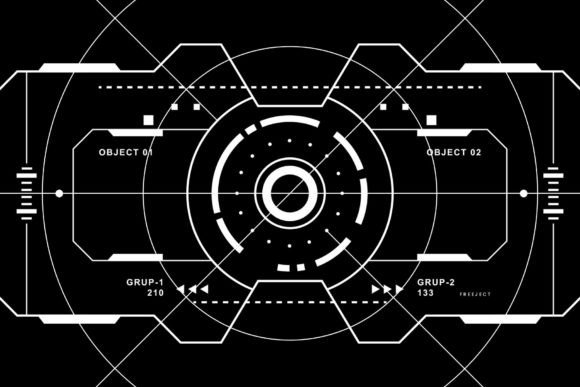
The layout is built around graphical elements typical of head-up displays found in gaming or sci-fi interfaces. This means we are looking at geometric structures, perhaps some linear connectors, and a sense of depth that mimics a holographic projection. For an embroidery designer, this presents a unique challenge and opportunity. The visual personality is strong, so it demands a backdrop that allows it to breathe. It fits perfectly into the world of custom apparel, particularly for those targeting gamers, tech enthusiasts, or anyone looking for a statement piece that stands out from the crowd.
Real-World Application: From Screen to Stitches
Let's imagine a real scenario. You are preparing for a holiday market or updating your Etsy shop for a new collection. You have a batch of high-quality black canvas tote bags sitting on your table. Your goal is to create a limited-run accessory that appeals to the modern creator. You decide to use Futuristic HUD Interface Design as the central motif. The contrast between the dark canvas and bright, metallic-looking threads (if available) would be striking. The design transforms a simple utility bag into a piece of wearable art that looks like it belongs in a high-end boutique.
Now, consider a different angle: baby embroidery. Yes, even something as technical as a HUD can work here if executed with care. Imagine a soft cotton onesie or a nursery pillow cover featuring a simplified version of this interface. It creates a unique "tech-nursery" vibe that parents might find adorable and modern. However, the density of the design requires careful planning. If the original file contains too many intricate details, they might blur together on a small baby garment. In this case, the design works best when scaled appropriately or used on larger items like a sweatshirt or a throw pillow where the stitches have room to settle.
I also envision this design shining on embroidered patches. The crisp lines of a HUD interface lend themselves well to applique techniques or dense satin stitch work. A patch featuring Futuristic HUD Interface Design could be sold as a standalone item or attached to denim jackets, backpacks, or caps. For commercial embroidery projects, this asset offers a versatile look that bridges the gap between streetwear and corporate tech branding. It is not just a decoration; it is a visual cue that says "innovation."
Navigating Technical Challenges
While the aesthetic potential is high, we must address the realities of machine embroidery. Not every surface is a friend to complex graphics. Futuristic HUD Interface Design relies on clarity, which can be compromised by certain fabrics. Textured fabrics like heavy waffle-knit or bouclé will swallow the fine details of the interface, turning crisp lines into a muddy blob. Similarly, thin or stretchy fabrics require extra stabilization to prevent puckering, which can distort the geometric precision that makes this design special.
Dense stitch areas are another consideration. If the design includes large blocks of fill stitch to represent solid screens or panels, the fabric underneath may become stiff. This is generally acceptable for outerwear like hoodies or sturdy tote bags, but it would be a poor choice for a lightweight summer t-shirt or a delicate tea towel. On curved surfaces like baseball caps, the distortion risk increases significantly. While possible, it requires expert hooping and potentially reducing the scale of the design to ensure the "HUD" doesn't look warped.
Dark fabrics present their own set of variables. To make the futuristic elements pop, you need thread colors that offer high contrast. Standard white or light gray threads might get lost against a midnight blue or black background unless you use specialty metallic or neon threads. Conversely, on light fabrics, the design might appear too stark if the line weight is too heavy. Always test your thread color choices before committing to a full production run.
Professional Notes for the Craft Business Owner
If you are selling finished products featuring this design, your reputation depends on the quality of the execution. Customers trust handmade shops because they expect attention to detail. A poorly stabilized Futuristic HUD Interface Design with loose threads or skipped stitches will undermine that trust instantly. Before you list your item on Etsy or print a printable mockup, you must inspect the small details. Do the corners of the interface remain sharp? Is the spacing consistent?
Here are essential steps to ensure your embroidery project succeeds:
- Test on Scrap Fabric: Never go straight to the final product. Run the design on a scrap of the exact same material to check for tension issues and thread breaks.
- Check Stabilizer Usage: Because this design likely involves both satin stitch for outlines and fill stitch for areas, you need a stabilizer that provides firm support without adding excessive bulk. Cut-away stabilizers are often best for maintaining the shape of geometric designs.
- Review Stitch Density: High-density designs can cause fabric distortion. If the design feels too heavy, consider asking the creator if a lighter version exists or manually adjusting the settings if you have editing capabilities.
- Black and White Mockups: Test the design in grayscale first. This helps you visualize the contrast levels and ensures the design holds its form even if the thread colors change.
- Licensing Verification: Since this is a digital product intended for various creative uses, confirm whether your license allows for commercial sales of finished items. Some digital embroidery files restrict the number of units you can sell.
Final Thoughts on Value and Appeal
Futuristic HUD Interface Design is more than just a decorative element; it is a tool for storytelling. When applied correctly, it adds a layer of sophistication and intrigue to any handmade product. Whether you are creating a personalized gift for a tech lover or developing a cohesive brand identity for a small shop, this design offers a fresh alternative to traditional patterns.
It performs exceptionally well on durable goods like aprons, kitchen towels, and tote bags where the graphic nature complements the functional aspect of the item. For holiday gifts, it offers a modern twist that appeals to younger demographics. However, success lies in the execution. By respecting the limitations of the medium—choosing the right fabric, using proper stabilizers, and paying attention to thread contrast—you can turn a digital illustration into a stunning physical reality.
For the embroidery designer willing to experiment, this asset opens doors to niche markets that crave modern, edgy aesthetics. Just remember to keep your hoop size in mind, verify your file compatibility, and always prioritize the integrity of the stitch. With the right approach, Futuristic HUD Interface Design can elevate your portfolio and delight your customers with its blend of art and technology.