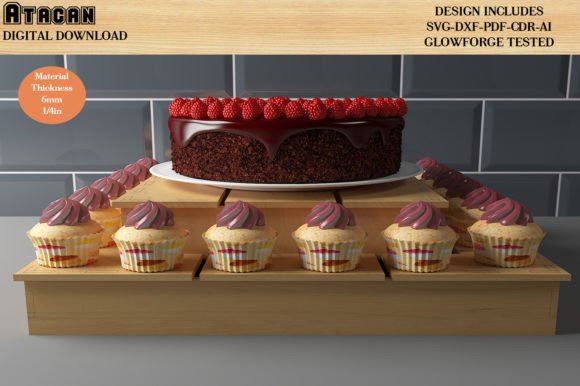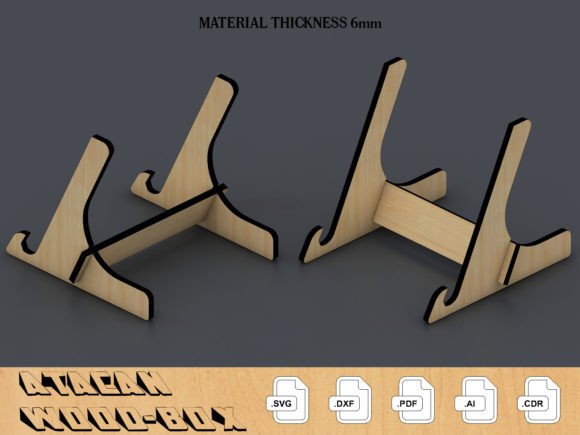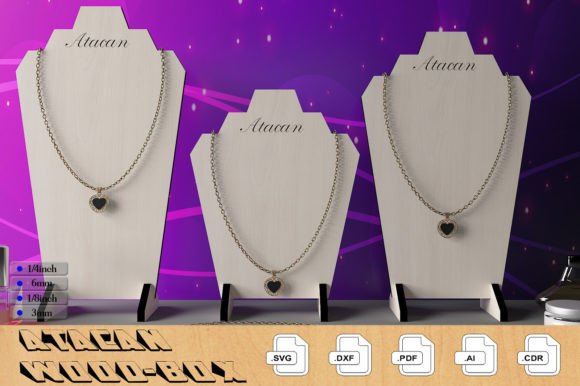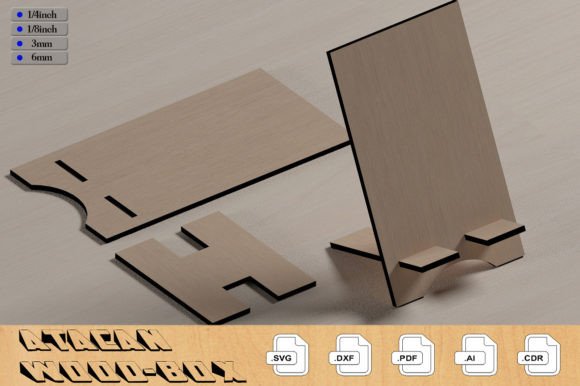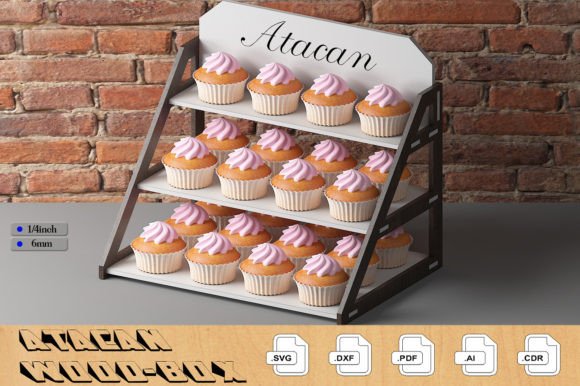
Cupcake Display Stand Wood Cake Holder Laser Cutting Stands
As someone who spends half my week designing digital assets and the other half physically cutting, gluing, and assembling products for my Etsy shop, I have learned to be extremely skeptical of new design files. It is easy to buy a graphic that looks perfect on a screen but falls apart when you try to turn it into a tangible product. Recently, I pulled up a Cupcake Display Stand Wood Cake Holder asset intended for laser cutting, and I decided to put it through the wringer. This isn't just about aesthetics; it is about whether this file can actually save me time, look professional on a craft fair table, and hold up under the weight of a customer’s order.
The first impression of this asset is one of clean, functional elegance. In the world of handmade goods, there is a fine line between "cute" and "cluttered." This design strikes a balance that leans heavily toward premium and rustic-chic. It suggests a style that fits perfectly with modern boho weddings, minimalist baby showers, or high-end bakery packaging. When I opened the file, I wasn't greeted by chaotic patterns or overly intricate details that would require hours of weeding vinyl. Instead, I saw bold, structural lines that promised stability and visual appeal. For a small business owner, this mood is attractive because it appeals to buyers who want their treats displayed beautifully without looking cheap or temporary.
Real-World Application in My Crafting Workflow
I approached this review with a specific scenario in mind: preparing a batch of custom party favor kits for a local market. These kits include printed tags, stickers, and the physical display stands themselves. The goal was to create a cohesive brand experience where the packaging feels as thoughtful as the gift inside. Using a graphic design asset like this allows me to maintain consistency across my handmade business branding. If the stand matches the aesthetic of my Etsy product listings and my social media mockups, customers perceive higher value.
This asset is incredibly versatile. While it is marketed specifically as a wood cake holder, the underlying vector structure can inspire a variety of Cricut project ideas. For instance, I used the silhouette of the stand to create matching sticker design elements for my thank-you cards. The clean lines translated perfectly into vinyl, allowing me to create simple yet striking decals for mugs and tumblers. It also works beautifully as a tumbler wrap base, where the negative space allows the metallic finish of the cup to shine through, creating a layered look without adding bulk.
Furthermore, the versatility extends to printable design projects. I found that extracting key elements from the file allowed me to create a mini design bundle for digital planners. Customers who love scrapbooking and stationery planning often look for decorative accents that are structured yet whimsical. This asset provides that anchor point. Whether you are working on a mug design for a bakery owner or creating gift tags for a boutique florist, the visual language of this file supports a wide range of creative directions.
Technical Compatibility and Laser Cutting Insights
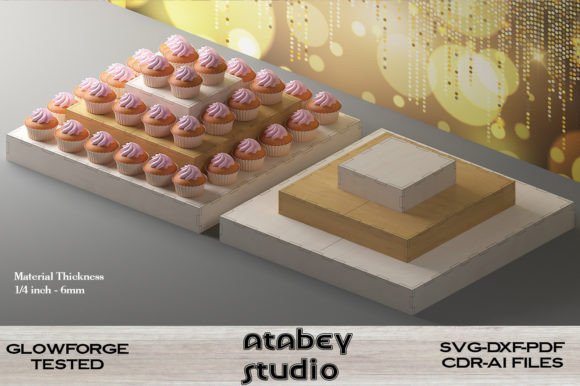
One of the most critical aspects of using digital assets for physical production is compatibility. The description notes that these are designed to fit glowforge laser machines but can be used with all laser machines. Tested using a Glowforge Pro, I can confirm that the file integrity holds up well. However, it is important to understand that while the concept is universal, the execution depends on your specific hardware.
These files are ideal for machines using SVG-DXF-PDF-AI-CDR files. You can use this flexibility to your advantage if you do not own a laser cutter yourself. Many print-on-demand services and local makerspaces accept these standard formats. If you are using a Cricut or Silhouette machine, the SVG version is your best friend. It ensures that the cut paths are precise and that the software recognizes the different layers correctly. For those doing sublimation, the PDF or AI versions provide the high-resolution vectors needed to scale up designs without pixelation, ensuring your sublimation design remains crisp on ceramic mugs or polyester tote bags.
However, a word of caution regarding the source material. The original intent is for laser cutting wood. This means the lines are optimized for kerf (the width of the beam that burns away material). When adapting this for vinyl cutting on a Cricut, you may need to adjust the line weights slightly to ensure the blade cuts through cleanly without tearing delicate details. Always check if the SVG lines are clean before sending them to your machine. A quick preview in your design software can save you from wasting expensive vinyl on a failed cut.
Strategic Placement and Visual Impact
Where does this asset work best? It shines in large cut files and clean printable layouts. Because the design relies on strong geometric shapes, it scales beautifully. I found that placing it on larger products, such as wooden serving boards or oversized gift boxes, gave it the breathing room it needed to make an impact. It serves as a focal point rather than a background pattern.
It is also excellent for seasonal craft bundles. During holidays like Easter or Christmas, the cupcake theme can be adapted with color changes and added text to create festive collections. For small business branding, having a recognizable visual element like this helps customers identify your products instantly. Imagine seeing your logo paired with this elegant stand design on a product mockup; it signals quality and attention to detail.
Conversely, there are areas where this asset should be used carefully. Very small cutting details might get lost if you are making tiny sticker sizes or intricate layered vinyl projects. Thin lines, while elegant, can sometimes break during the weeding process if the vinyl is low quality or if the blade isn't sharp enough. Crowded compositions should be avoided; let the design breathe. If you are pairing this with text, ensure there is enough contrast and space so that the customer needs clean readable shapes. Low-contrast colors, such as light gray on white, will disappear entirely on photos or in person, so always test colors before printing.
Practical Tips for the Serious Crafter
- Test Before Selling: Never assume a file will work perfectly out of the box. Run a test cut on scrap material to check alignment and depth.
- Check Resolution: For any digital product meant for sublimation or high-quality printing, confirm resolution. Vector files are best, but if you must use raster images, ensure they are at least 300 DPI.
- Font Pairing: To elevate the look, pair the structural lines of the stand with complementary typography. A serif font adds classic elegance, while a script font brings a personal, handwritten touch. Avoid cluttering the design with too many font styles.
- Mockup Testing: Place the design on real mockups. Seeing how it looks on a dark product versus a white product can reveal contrast issues that aren't visible on a plain background.
- Commercial Licensing: This is non-negotiable. Confirm commercial licensing before using it for customer orders or handmade business products. Just because you bought the file doesn't always mean you can sell the finished item. Check the terms of the creative marketplace where you purchased the design assets.
In conclusion, the Cupcake Display Stand Wood Cake Holder asset is a valuable addition to any crafter's toolkit. It bridges the gap between digital design and physical craftsmanship effectively. By understanding its strengths in laser cutting and its adaptability for vinyl and print, you can unlock new revenue streams for your craft fair inventory or online store. It is a testament to how the right commercial design can streamline your workflow and enhance the perceived value of your handmade creations.