Necklace Holder Bracelet Display 301: Laser Cutting Stands Review
As a graphic designer who frequently bridges the gap between digital branding and physical product execution, I am always on the lookout for assets that can elevate a client’s presentation from amateur to professional. Recently, I encountered Necklace Holder Bracelet Display 301, a design asset specifically tailored for laser cutting projects. While many designers focus solely on screen-based visuals, the tactile nature of physical products often defines the success of handmade businesses, boutique brands, and Etsy shops. This review explores how this particular stand design fits into real-world client projects, its versatility across various design mediums, and the practical considerations every creative professional should weigh before incorporating it into a commercial workflow.
First Impressions and Visual Mood
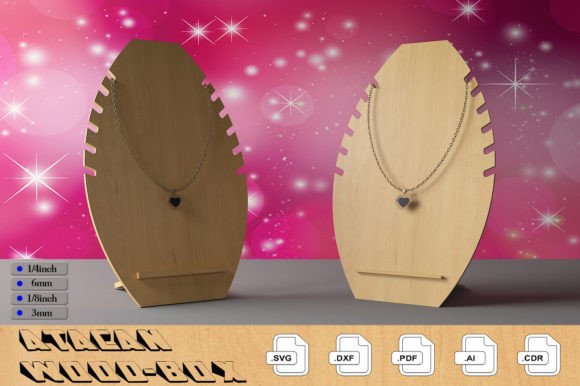
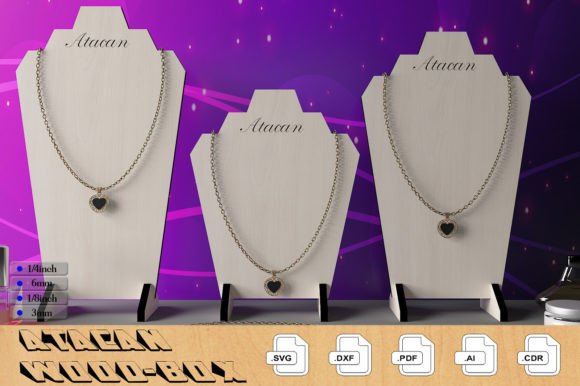
When I first reviewed the files for Necklace Holder Bracelet Display 301, my immediate assessment focused on its structural integrity and aesthetic potential. The design exudes a clean, modern silhouette that suggests elegance without unnecessary clutter. For a brand identity centered around jewelry, accessories, or luxury goods, visual hierarchy is paramount. This asset provides a strong foundational element that allows the product itself—the jewelry—to remain the focal point. The mood created by this display is one of organized sophistication. It signals to the consumer that the items being showcased are curated and valuable. Unlike generic racks that might look utilitarian, this design feels like an intentional part of the brand experience, suitable for high-end packaging design or editorial design contexts where attention to detail dictates perceived quality.
Integration Into Real Client Projects
Imagine a client project for a small business launching a new line of artisanal bracelets. The goal is to create marketing visuals that work seamlessly across Instagram posts, website graphics, and in-store displays. Necklace Holder Bracelet Display 301 serves as a critical component in this ecosystem. By integrating this stand into product mockups, we can create cohesive social media graphics that maintain brand consistency. The design translates well into various formats, making it ideal for Cricut projects, sublimation design templates, or even as a structural element in t-shirt design concepts for merchandise. Furthermore, its adaptability means it can support a broader creative design strategy, including printable wall art for retail spaces or decorative accents on flyers and invitations for launch events. The ability to use this asset across such a diverse range of applications—from digital ads to physical stands—makes it a highly efficient tool for content creators and bloggers looking to maximize their output without sacrificing quality.
Technical Versatility and File Formats
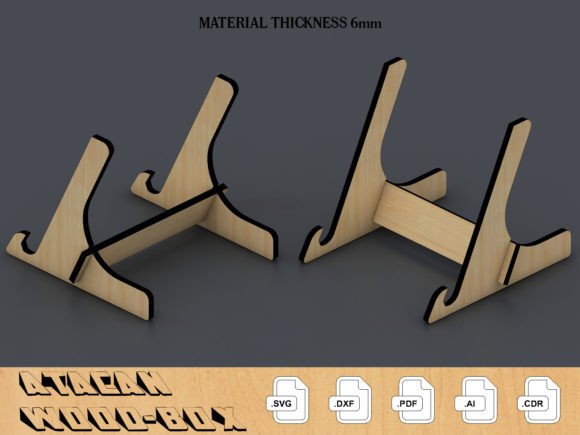
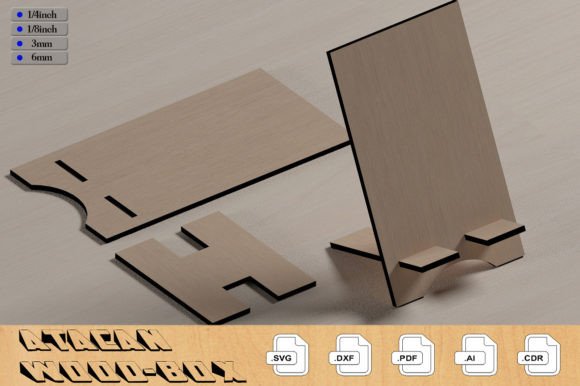
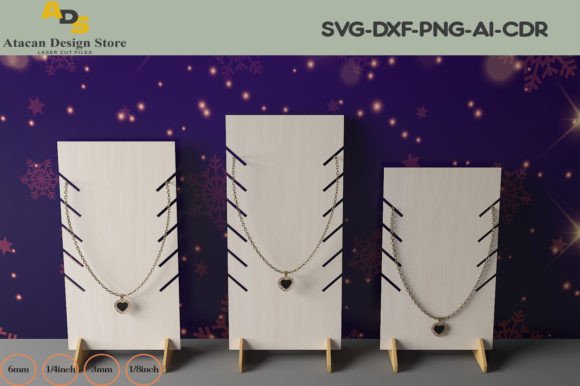
One of the most compelling aspects of this asset is its technical flexibility. These are designed to fit glowforge laser machines but can be used with all laser machines. Tested using a Glowforge Pro, the precision of the cut lines ensures that the final physical product matches the digital blueprint exactly. This reliability is crucial for designers who need to guarantee that their vision translates accurately to the end user. These files are ideal for machines using SVG-DXF-PDF-AI-CDR files. You can use these formats to edit the design further if needed, ensuring that it aligns perfectly with specific client requirements. For instance, a designer might import the AI file to adjust the scale or modify the base width to accommodate larger necklaces. This level of editability supports both SVG design workflows for vector-based scaling and PNG design usage for quick previewing in raster editors. The inclusion of multiple file types also benefits print-on-demand sellers and digital sellers who need to offer flexible solutions to their customers.
Strategic Placement and Design Hierarchy
In terms of layout application, Necklace Holder Bracelet Display 301 performs best in large layout areas where its structure can breathe. It makes an excellent hero graphic for landing pages or a central element in packaging design where space allows for a full view of the display. When used as a decorative accent or supporting brand element, it adds depth to the composition without overwhelming the primary message. However, designers must exercise caution when placing this asset in crowded layouts or complex backgrounds. In minimalist branding projects, the intricate details of the stand might compete with sparse typography, disrupting the visual trust and recognition that minimalism aims to achieve. Similarly, in low-contrast designs, the structural lines may become lost, reducing the effectiveness of the visual hierarchy. It is essential to test the asset against light and dark backgrounds to ensure it maintains its definition and does not create visual noise that detracts from the core product.
Practical Designer Notes for Commercial Use
Before committing Necklace Holder Bracelet Display 301 to a final client deliverable, several practical checks are necessary. First, always test the design in black and white to evaluate its form and balance independent of color. This step helps identify any weaknesses in the negative space that might not be apparent in full color. Next, preview the asset at both small and large sizes. A design that looks impressive on a billboard might appear cluttered or illegible when scaled down for a Pinterest pin or a mobile-friendly web design. Inspecting PNG transparency is vital if the asset will be layered over textured backgrounds; ensuring there are no jagged edges or unwanted halos preserves the professionalism of the final image. Additionally, review the file formats carefully. If you are working on a sticker design or a label, confirm that the SVG or vector editability allows for precise trimming. Comparing the stand’s style with different font pairings—such as serif font for a classic look, sans serif font for modernity, script font for elegance, handwritten font for a personal touch, or display font for impact—will help determine the overall tone. Finally, and perhaps most importantly, confirm commercial licensing. Using design assets for a client or business project requires clear rights to avoid legal issues, so verifying the commercial license is a non-negotiable step in any professional workflow.
Conclusion on Creative Value
Necklace Holder Bracelet Display 301 represents more than just a functional object; it is a versatile graphic design asset that enhances the storytelling aspect of physical products. Its ability to bridge digital planning with physical production makes it invaluable for handmade business owners, small business branding efforts, and creative marketplace sellers. By understanding its strengths in creating emotional appeal and audience engagement, while remaining mindful of its limitations in complex or minimalist contexts, designers can leverage this asset to produce polished, trustworthy, and visually striking results. Whether used in logo design extensions, marketing visuals, or as part of a comprehensive design bundle, this stand offers a reliable foundation for elevating any jewelry or accessory-focused project.