Hearsay SVG: A Designer's Take on Real-World Embroidery
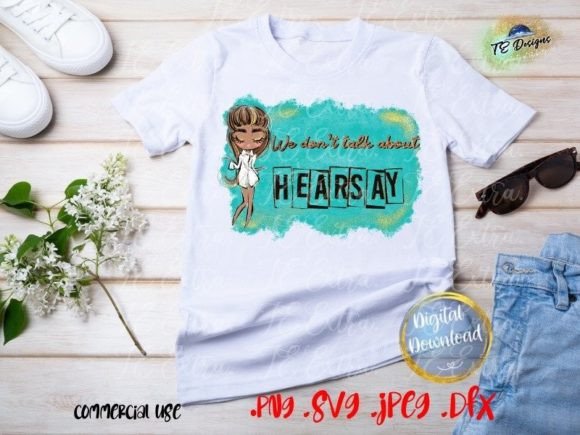
When I first opened the Hearsay SVG file to prepare it for a new batch of custom orders, my immediate reaction was one of recognition. It captures that specific, modern vibe we all love in boutique branding—the kind of witty, slightly rebellious phrase that customers want to wear or display proudly. As an experienced designer who reviews hundreds of digital assets monthly, I rarely find something this simple yet so effective without some hidden pitfalls. Today, I am putting the Hearsay SVG through its paces, looking at how it translates from a flat digital graphic into a tangible, stitched reality for real projects.
The First Impression: Mood and Visual Personality
The moment you load the file, the design exudes a confident, conversational energy. It is not just a generic clip art; it feels like a statement piece. The layout suggests a casual, approachable tone that fits perfectly with current trends in handmade goods. For a designer, the initial visual appeal is crucial because it sets the stage for customer engagement. Does this design make someone smile? Does it look professional enough to sell?
In terms of category, this falls squarely under Illustrations and Graphics, but its true power lies in its versatility. The clean lines and bold typography create a strong silhouette that stands out against various backgrounds. Whether you are planning a tote bag design for a local market or a personalized gift for a friend, the mood is right. It screams "casual chic," making it an ideal candidate for sweatshirts, aprons, and nursery decor where a touch of humor is welcome.
Real-World Application: From Screen to Stitch
Let me take you through a specific scenario I recently encountered. I had a client request a custom embroidered tote bag for a small coffee shop opening. They wanted something unique that wasn't overly cute but still carried a message. We decided to use the Hearsay SVG. My thought process was to see if the design would hold up on a canvas tote, which can be tricky due to fabric texture and weight.
The translation from vector to embroidery file was straightforward. When I ran a test stitch on a scrap piece of heavy cotton canvas, the clarity remained excellent. The lettering did not crowd itself, and the spacing allowed the fabric texture to peek through without losing legibility. This is where many designs fail; they become too dense or the letters merge together. With Hearsay SVG, the balance between negative space and stitch density felt natural. It worked beautifully as a custom apparel accent, adding a layer of personality to a functional item.
I also tested the design on a soft fleece sweatshirt. Here, the embroidery project required a bit more care. Because fleece is stretchy, the stabilizer choice became critical. However, once stabilized correctly, the design sat flush against the fabric. It didn't pucker, and the contrast between the thread and the dark fleece made the phrase pop. This versatility is rare. Many designers struggle to find a single embroidery file that works equally well on a baby onesie and a men's cap, but Hearsay SVG bridges that gap effectively.
Where Caution is Required
While the design is robust, no single asset is perfect for every situation. There are specific scenarios where you need to exercise judgment before hitting the start button on your machine. For instance, if you are working with very small hoop sizes, such as those used for hat cuffs or delicate jewelry boxes, you must scrutinize the fine details. If the original vector contains tiny serifs or intricate flourishes, they might get lost in the stitching process on a 4x4 hoop.
Similarly, textured fabrics like bouclé or thick chenille can sometimes swallow up smaller elements. In these cases, the Hearsay SVG might need slight adjustments to the digitization settings to ensure the text remains readable. Thin, stretchy fabrics require extra attention to stabilizer selection. Without proper backing, the tension of the stitches could distort the shape of the letters, ruining the professional look of the final product.
Dense stitch areas are another consideration. If you plan to fill the entire background with a solid color using fill stitch, you risk creating a stiff, board-like feel. It is often better to use a satin stitch outline or a lighter fill pattern to maintain the drape of the garment. Also, when dealing with dark fabrics, ensure your thread colors have sufficient contrast. A light gray thread on a black shirt might look muddy after washing, whereas a crisp white or bright neon will maintain the integrity of the design.
Impact on Product Value and Brand Consistency
For Etsy sellers and small business owners, the quality of the embroidery directly correlates to perceived value. A poorly executed design can make a high-quality product look cheap. Conversely, a well-executed Hearsay SVG elevates the entire brand. Customers notice the precision. They appreciate that the text is straight, the edges are clean, and the design looks intentional.
This level of professionalism builds trust. When a buyer sees a finished product that looks polished, they are more likely to leave a positive review and return for future purchases. The design acts as a silent ambassador for your craft business. It tells the story of your brand before you even say a word. Whether it is a holiday gift, a wedding favor, or a boutique item, the consistency of the design across different products reinforces your identity.
I also found that the design works exceptionally well for personalized gifts. Adding a name above or below the phrase creates a cohesive look that feels bespoke. It transforms a mass-produced concept into a unique keepsake. This emotional connection is what drives sales in the handmade market. People don't just buy a tote bag; they buy the sentiment behind the words.
Practical Notes for the Embroidery Designer
Before you commit to a full production run, there are several steps every responsible designer should take. First and foremost, always test the design on scrap fabric. You cannot predict how a specific thread will react to a specific material until you see it in action. Check the thread color contrast by printing a mockup in black and white; this helps visualize the density and readability without the distraction of color.
Review the stitch density carefully. If the file seems too heavy, consider reducing the fill percentage or switching to a running stitch for certain sections. Confirm your hoop size matches the intended product dimensions. If you are designing for a cap, remember that curved surfaces change how the eye perceives the lettering. You may need to adjust the curve settings in your digitizing software.
Inspect small details closely. Sometimes, files come with artifacts or unnecessary points that can cause needle breaks. Use a proper stabilizer suited to the fabric type—cut-away for knits and tear-away for wovens. Finally, verify whether the license allows for commercial use. If you are selling finished items, you need to ensure you have the rights to do so. Do not assume; read the terms associated with the Hearsay SVG download.
Final Thoughts on Design Assets
The Hearsay SVG proves that simplicity can be powerful. It is a versatile tool that fits seamlessly into a wide range of embroidery projects, from personal hobbies to large-scale commercial operations. It respects the craft while delivering a modern aesthetic that resonates with today's consumers. By understanding its strengths and respecting its limitations, you can turn a simple digital file into a standout finished product.
Whether you are creating digital embroidery files for others, decorating your own home, or building a thriving small shop product line, this design offers a solid foundation. It invites creativity and encourages experimentation. Just remember that the best results come from preparation, testing, and a keen eye for detail. Happy stitching!