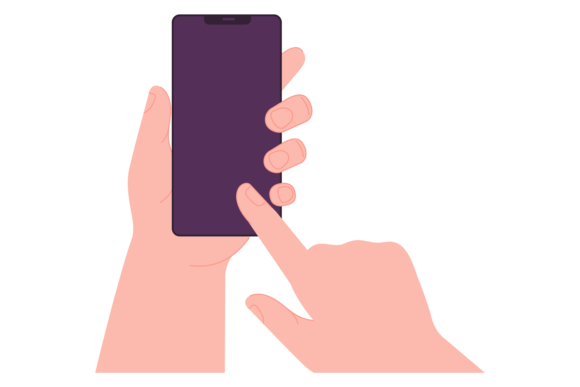
Finger Touching Smartphone Screen. Blank Review
When I first opened the Finger Touching Smartphone Screen. Blank file to test it for a client project, I wasn't looking at a generic stock image. I was evaluating a potential centerpiece for a modern, tech-savvy boutique collection. As an experienced designer who has stitched thousands of designs on everything from stiff denim to delicate baby muslin, my initial reaction was one of cautious optimism. The concept is simple: a hand reaching out to touch a blank device display. It captures a universal moment of digital interaction, but the real question for any embroidery designer is whether that clean, graphic look translates well into thread.
The mood this design creates is undeniably contemporary and sleek. Unlike traditional floral or rustic motifs, Finger Touching Smartphone Screen. Blank speaks to the everyday life of our customers. It feels like a visual shorthand for connectivity, social media, and the modern workplace. For a small business owner or Etsy seller looking to create custom apparel that resonates with a younger demographic, this illustration offers a fresh alternative to standard typography-only tees. However, the "blank" aspect of the screen is its most critical feature; it implies a placeholder where a logo or message could be, which adds a layer of versatility that many other graphics simply cannot match.
Real-World Application in Stitched Projects
I recently put this design to the test while preparing a batch of embroidered tote bags for a local startup conference. The clients wanted something subtle yet recognizable—a nod to their digital-first business model without being overly literal. We decided to use the Finger Touching Smartphone Screen. Blank motif as the primary graphic on high-quality canvas totes. The result was striking. Because the design relies on strong outlines and minimal internal detail, it held up beautifully under the needle.
For those considering this for custom apparel, such as sweatshirts or t-shirts, the layout works exceptionally well on the chest area or the back yoke. The isolation on a white background in the source file made digitizing a breeze, allowing me to adjust the stitch density without worrying about clipping unwanted edges. When stitched onto a dark heather grey sweatshirt using a bright teal thread for the finger and a crisp white for the phone frame, the contrast popped immediately. It felt less like a printed sticker and more like a premium, handmade product.
Beyond apparel, I see immense potential for this design in home decor. Imagine a set of kitchen towels featuring this motif, perhaps paired with a tagline about "staying connected." Or consider a nursery wall hanging where the "screen" is left intentionally empty to represent a child's future possibilities. The simplicity of the Finger Touching Smartphone Screen. Blank concept allows it to fit seamlessly into various themes, from holiday gifts to corporate swag. It transforms a standard embroidery project into a conversation starter.
Navigating Technical Challenges and Fabric Choices
While the design is versatile, it is not without its pitfalls. One of the most common mistakes I see with modern, minimalist illustrations is attempting to over-stitch them. If you are working with a small hoop size, the curves of the fingers can become difficult to render clearly. The difference between a satin stitch and a fill stitch here is crucial. A heavy fill might make the fingers look bulky and lose the elegant line work intended by the original Illustrations creator. Instead, I recommend a combination of tight satin stitches for the outlines and sparse running stitches for any shading, ensuring the fabric texture remains visible rather than hidden under thick layers of thread.
Fabric selection plays a massive role in the final outcome. This design thrives on stable, non-stretchy materials. I would advise against using it on thin, stretchy knits unless you are using a heavy-duty stabilizer and a temporary spray adhesive. On a cap or hat, the curved surface can distort the straight lines of the smartphone frame if the design isn't properly adjusted for curvature. In these cases, reducing the stitch count slightly can prevent puckering and keep the "screen" looking flat and realistic.
Another consideration is thread color contrast. Since the design features a blank screen, the choice of thread color for the device itself is vital. Using a black thread on a black shirt will cause the design to disappear, defeating the purpose of the graphic. Conversely, a light gray thread on a white shirt might get lost in the weave. The best results come from high-contrast pairings that mimic the glow of a real screen or the sleekness of a modern device.
Practical Designer Notes for Success
Before you commit to a full production run, there are several steps every professional should take. First and foremost, always test the design on scrap fabric. This is non-negotiable when working with new files. You need to verify how the Finger Touching Smartphone Screen. Blank behaves under tension and whether the thread colors blend smoothly or create harsh transitions.
Check your stitch density carefully. If the original digitization has too much density, the fabric may pucker around the finger tips. If it is too sparse, the design may look ragged after washing. I also suggest reviewing the design in a black-and-white mockup before stitching. This helps ensure that the value contrast is sufficient and that the shape reads clearly even without color. If you plan to sell finished items, confirm the licensing terms immediately. Some digital embroidery files allow personal use but restrict commercial sales of the finished product, so knowing your rights protects your craft business.
Finally, think about the end-user experience. A personalized gift featuring this design should feel durable and professional. Customers expect their handmade product to withstand frequent washing, especially if it is a tote bag or a baby item. Ensure that the stabilizer used provides enough support to maintain the integrity of the embroidered patch or garment over time. By paying attention to these details, you elevate a simple graphic into a high-value asset.
Final Thoughts on Visual Impact and Value
In the world of commercial embroidery, standing out often means balancing trendiness with timelessness. The Finger Touching Smartphone Screen. Blank design sits right at that intersection. It is trendy enough to appeal to current markets but simple enough to remain relevant for years. For a creative entrepreneur or a boutique branding specialist, this graphic offers a unique way to tell a story about connection and technology through the tactile medium of thread.
Whether you are creating a limited edition run of sweatshirt embroidery for a holiday sale or designing a series of apparel decorations for a tech company, this file provides a solid foundation. It invites customization, encourages creativity, and delivers a polished look that builds customer trust. When executed correctly, the difference between a mass-produced print and a skillfully stitched piece is palpable, and this design gives you the tools to bridge that gap effectively.
Ultimately, the success of any embroidery project lies in the hands of the maker. With careful planning, the right materials, and a keen eye for detail, Finger Touching Smartphone Screen. Blank can become a standout piece in your portfolio. It proves that even a simple gesture of touching a screen can translate into a powerful, enduring statement in fiber art.