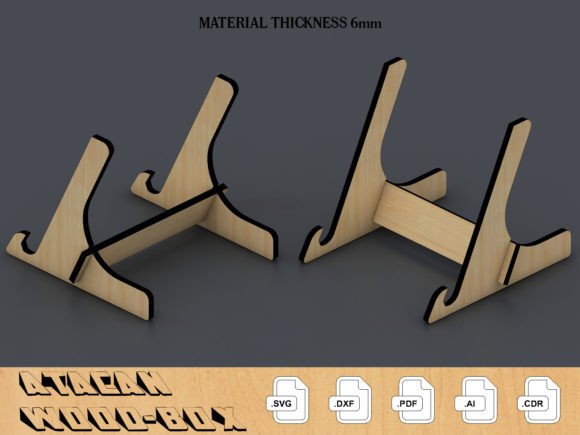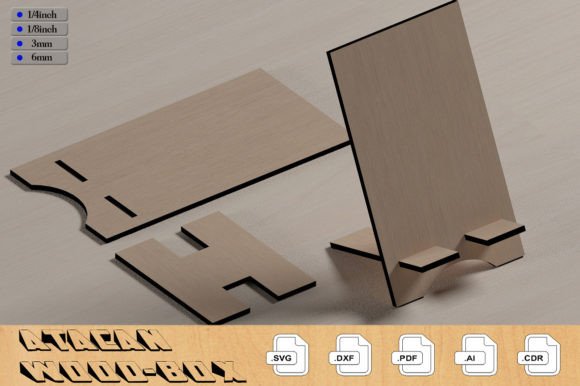
Cookbook Stand Book Display Holder 112 Review
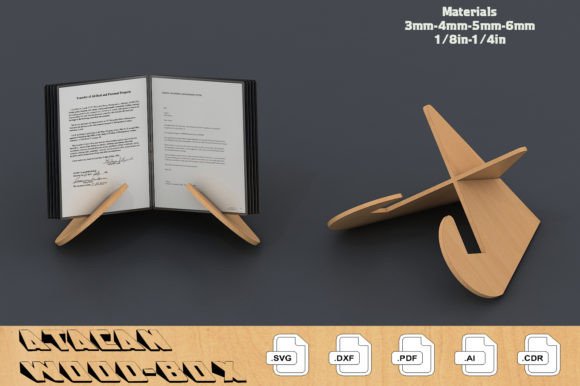
As a designer who spends half the day in Procreate and the other half wrestling with thread tension on my embroidery machine, I have developed a fairly strict filter for digital assets. We are all tired of buying designs that look beautiful in a flat vector preview but turn into a tangled mess of under-stitching when actually stitched out. This is why I approach every new machine embroidery design with a mix of skepticism and hope. Recently, I came across the Cookbook Stand Book Display Holder 112, and while its primary classification falls under Laser Cutting and Stands, I found myself immediately thinking about how this specific shape could translate into the world of textile arts.
The product description notes that these files are ideal for machines using SVG-DXF-PD formats and have been tested on Glowforge and Lightburn setups. However, for those of us in the handmade community, the geometry and aesthetic of a cookbook stand offer a unique opportunity. It is not just a functional object; it is a composition. When you strip away the laser-cutting aspect and look at it purely as an embroidery file concept, you see clean lines, structured angles, and a theme that screams "homey comfort." My goal here is to evaluate whether this design has the visual weight and structural integrity to work well in real-world embroidery projects, from boutique merchandise to personalized gifts.
First Impressions: Mood and Visual Personality
The first thing that strikes me about the Cookbook Stand Book Display Holder 112 is its inherent narrative. It doesn’t scream for attention like a bold graphic tee design might; instead, it whispers. It evokes the quiet satisfaction of a Sunday morning spent reading or baking. For a designer, this is gold. In a market saturated with loud, chaotic patterns, there is a growing demand for products that feel curated and intentional. This design fits perfectly into the "slow living" aesthetic that is currently dominating platforms like Etsy and Pinterest.
The layout of a book display holder is inherently balanced. It offers natural negative space that can be filled with various stitching techniques without feeling cluttered. Whether you are planning to use a dense fill stitch to represent the cover of a book or delicate running stitch to outline the spine, the geometry provides a strong skeleton. The mood is practical yet warm, making it suitable for a wide range of customers who value organization and style in their kitchens or home offices.
Real-World Application: From Digital File to Finished Product
Let’s imagine a specific scenario. You are an Etsy seller preparing for the holiday season. You want to create a high-value bundle that includes a custom apron and a matching kitchen towel. The Cookbook Stand Book Display Holder 112 design could be adapted for these items. Imagine a soft cotton apron featuring a subtle, tonal embroidery of the stand holding a favorite recipe book. It’s not just a logo; it’s a statement of identity for the wearer.
This design also translates beautifully to custom apparel such as sweatshirts. A crewneck sweatshirt embroidered with this motif on the chest pocket area feels sophisticated and understated. It appeals to the reader, the baker, and the organizer. For baby embroidery, the concept can be softened. Think of a onesie or a burp cloth with a simplified, rounded version of the stand, perhaps accompanied by a small spoon or whisk. The versatility here is what makes it a valuable asset for any craft business.
Furthermore, consider the embroidered patch market. Patches that feature cozy, domestic themes are incredibly popular. The Cookbook Stand Book Display Holder 112 can be digitized as a distinct patch, perfect for adorning denim jackets, canvas tote bags, or even backpacks. It adds a layer of personality to everyday carry items, transforming them into conversation starters. For small shop owners, creating a line of products centered around this theme allows for strong brand consistency. You aren’t just selling a towel; you are selling a lifestyle.
Where to Use It Carefully
While the design has great potential, no single pattern works everywhere. As a professional reviewer, I must highlight where caution is needed. If you attempt to place this design on a curved surface like a baseball cap, the rigid lines of a book stand may distort or look awkward unless the digitization accounts for the curvature. Similarly, on stretchy fabric or thin materials like silk, the structure of the design might cause puckering if the stabilizer choice is incorrect.
Another critical consideration is scale. On very small hoop sizes, intricate details of the stand—such as the edges of the books or the texture of the pages—might get lost or become indistinguishable blobs of thread. It is essential to review the design at actual size before committing to production. Also, be mindful of thread colors. On dark fabrics, light-colored threads used for fine details might lack contrast, reducing the visual impact. Always test your color palette against the final fabric type.
Practical Designer Notes for Execution
To ensure the Cookbook Stand Book Display Holder 112 performs well in your studio, follow these practical steps:
- Test on Scrap Fabric: Never go straight to your final product. Stitch the design on a scrap piece of the same fabric type to check for tension issues and stability.
- Check Stitch Density: Ensure the digitized version has appropriate density for the fabric weight. Too much density on lightweight cotton can make the fabric stiff and uncomfortable.
- Inspect Small Details: Zoom in on the digital preview. Are the tiny details too small for the needle size you plan to use? If so, simplify the design slightly.
- Black and White Mockups: View your design in grayscale. This helps you assess contrast and balance without being distracted by color choices.
- Confirm Licensing: Before selling finished items or digital embroidery file versions, double-check the commercial usage rights. Some laser-cut files have different licensing terms than standard embroidery files.
Additionally, consider the appliance applique technique. Since the original design is for laser cutting, it likely features clean, sharp outlines. Using appliqué fabric to create the base shape of the stand, then stitching over the edges with a tight satin stitch, can give the embroidery a premium, polished look that mimics the precision of laser cutting.
Final Verdict: Value and Professionalism
The Cookbook Stand Book Display Holder 112 offers more than just a shape; it offers a theme that resonates with a large segment of the handmade market. It supports commercial embroidery projects that require a touch of elegance and functionality. By adapting this design thoughtfully, you can create handmade products that feel cohesive, professional, and deeply personal.
For creative entrepreneurs looking to expand their catalog, this design provides a solid foundation. It bridges the gap between digital precision and tactile warmth. Whether you are designing for a boutique client or creating holiday embroidery gifts for friends, this asset has the potential to elevate your work. Just remember: the success of any embroidery project lies not just in the design itself, but in the care taken during digitization, fabric selection, and execution. Test thoroughly, choose your thread colors wisely, and let the design speak to the heart of your customer.