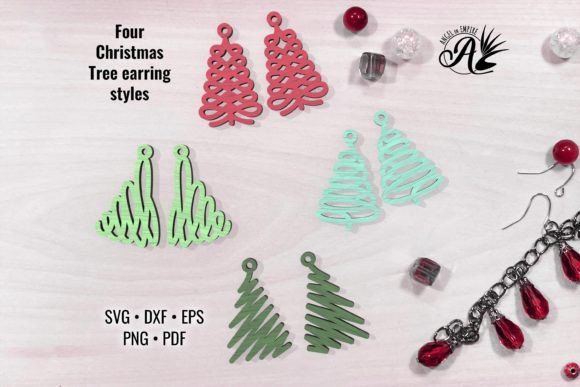
Christmas Tree Earrings or Ornaments
When I first pulled this design from the Winter Amp collection, my initial reaction was one of cautious curiosity. As someone who has reviewed hundreds of embroidery files for everything from boutique apparel to high-volume craft fair merchandise, I know that "abstract" and "scribble" can sometimes be code for "messy." However, after spending time analyzing the structure of these Christmas tree earrings, I believe this set offers a refreshing departure from the traditional, overly literal holiday motifs that saturate the market. This is not just another generic snowman or reindeer file; it is a stylized, modern interpretation that speaks directly to contemporary tastes in handmade goods.
The core appeal of this machine embroidery design lies in its line-art aesthetic. The abstract, scribble-style trees evoke a sense of whimsy and movement that feels much more organic than rigid geometric shapes. For designers looking to create something that stands out on an Etsy listing or a craft booth table, this visual personality is a significant asset. It suggests a brand that is artistic, approachable, and slightly unconventional. When you are competing against thousands of identical holiday items, having a design with distinct character is half the battle won.
Real-World Application: From Concept to Finished Product
To truly understand the value of this file, we need to move beyond the screen and imagine how it performs in actual production scenarios. Let’s look at a specific case: creating a line of personalized holiday gifts for a small business owner.
Imagine you are preparing custom embroidered tote bags for a local holiday market. You want something that appeals to young professionals who appreciate minimalist decor but still want that festive cheer. Placing these abstract tree earrings on a sturdy canvas tote creates an immediate visual anchor. The scribble lines mimic the texture of fabric itself, creating a harmonious relationship between the thread and the material. Unlike dense fill stitches that can make a bag stiff and heavy, this design likely relies on lighter stitch types, preserving the drape and usability of the product.
I also see strong potential in the nursery and baby market. A set of these designs applied to a soft muslin blanket or a cotton onesie would translate beautifully. The gentle, sketch-like quality of the trees feels less like "decor" and more like "art," which resonates well with parents looking for sophisticated baby gifts. In this context, the design functions almost like an applique design, where the negative space is as important as the stitched lines. It invites the eye to complete the picture, making the finished product feel interactive and engaging for the recipient.
Versatility Across Mediums
While primarily marketed for embroidery, the inclusion of DXF, EPS, PDF, PNG, and SVG files opens up interesting cross-disciplinary possibilities. For those involved in laser cutting or vinyl plotting, these vector files allow you to create complementary products. You could laser cut wooden ornaments based on the same silhouette and pair them with embroidered patches, creating a cohesive gift set. This multi-format support is crucial for digital product sellers and creative entrepreneurs who want to maximize the utility of their assets.
For Etsy sellers and small shop owners, this versatility means you can offer digital downloads alongside physical goods. A customer might buy the physical embroidered apron but also purchase the digital file to create their own matching kitchen towels. This increases the perceived value of your brand and encourages repeat engagement.
Technical Considerations and Stitch Clarity
As a designer, I always advise testing before committing to a full production run. The success of an abstract design hinges entirely on execution. Because the style is loose and scribbled, the clarity of the stitching becomes paramount. If the thread tension is off or the stabilizer is inadequate, those delicate lines can pucker or blur, turning a chic design into a sloppy mess.
Here are some practical notes to keep in mind when working with this file:
- Stitch Density Check: Review the stitch density carefully. Abstract line art often uses running stitches or light satin variations. Ensure your machine handles these smoothly without skipping stitches, especially if you are using finer threads for a more delicate look.
- Hoop Size Constraints: Be mindful of the maximum hoop size. While this design looks great centered on a tote or sweatshirt chest, attempting to scale it too large may require multiple hooping sequences, which can introduce alignment issues. Test the placement on your specific garment or accessory before mass production.
- Fabric Texture Interaction: This design thrives on smooth fabrics like cotton twill, denim, or felt. On highly textured fabrics like chunky knits or terry cloth, the fine details of the scribble style may get lost. For best results, use a stable base fabric or apply proper tear-away or cut-away stabilizer to ensure crisp edges.
- Thread Color Contrast: Since the design is monochromatic in its structural intent, thread color choice is critical. Black or white thread on contrasting backgrounds will yield the highest impact. On dark fabrics, consider using metallic or pastel threads to soften the look, while on light fabrics, deep navy or forest green can add a subtle nod to the holiday theme without being overpowering.
Where to Use (and Where to Pause)
Not every surface is suitable for this level of detail. I recommend avoiding this design for very small hoop sizes, such as those used for tiny cap logos or miniature patch accents. The scribble style requires enough room to breathe; compressing it into a two-inch circle will result in a muddy blob rather than a recognizable tree shape. Similarly, be cautious with stretchy fabrics like spandex blends unless you are using a specialized stretch stabilizer, as the distortion can warp the abstract lines.
Furthermore, consider the end-user experience. Products that require frequent washing, such as dish towels or baby clothes, benefit from durable stitch patterns. While this design is visually appealing, ensure that the chosen stitch type is robust enough to withstand laundering without fraying or losing definition. For decorative items like pillow covers or wall hangings, the risk is lower, allowing you to experiment with more delicate thread weights and colors.
Final Verdict on Visual Appeal and Market Fit
In terms of visual appeal, this design succeeds by tapping into the current trend of hand-drawn, artisanal aesthetics. It feels personal and crafted, which aligns perfectly with the values of customers buying handmade products. It avoids the cold, corporate feel of some vector-based embroidery files, offering instead a warmth that enhances brand consistency for businesses focused on authenticity.
From a commercial embroidery standpoint, this file is a smart addition to any library targeting the holiday season. It is versatile enough for custom apparel, sweatshirt embroidery, and embroidered patches, yet unique enough to differentiate your offerings. It works equally well as a standalone statement piece or as part of a larger patterned layout.
Before integrating this into your workflow, remember to confirm licensing terms, especially if you plan to sell finished items or distribute the design assets digitally. Assuming the license permits commercial use, this set of Christmas tree earrings offers a low-risk, high-reward opportunity to refresh your holiday catalog. It is a testament to the fact that sometimes, less is more—and a few well-placed scribbles can say more about the season than a dozen glittery sequins.
For craft business owners and creative entrepreneurs looking to add a touch of modern elegance to their holiday embroidery projects, this file is worth the test stitch. It bridges the gap between traditional craftsmanship and contemporary design, making it a valuable tool for creating memorable personalized gifts and small shop products that customers will actually want to keep and display.