Bird Feather: A Designer's Review for Real Embroidery Projects
When I first opened the Bird Feather file to test it on my embroidery machine, I didn't just see a graphic; I saw potential. As someone who spends hours tweaking stitch densities and selecting thread colors for client projects, my initial reaction was one of cautious optimism. The design captures that delicate, organic mood we all chase when trying to elevate a simple handmade item into something special. It feels light, airy, and undeniably elegant, making it an immediate candidate for anything from a boutique tote bag to a personalized nursery gift.
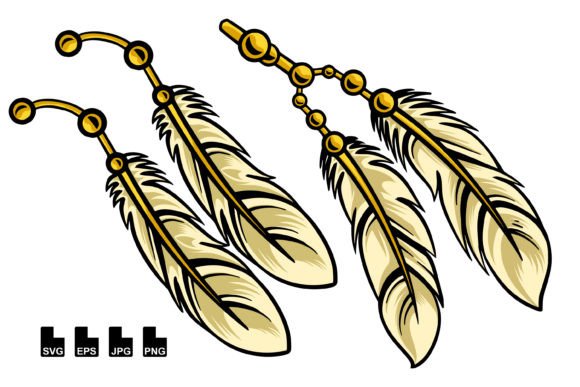
The visual personality of this piece is defined by its fluid lines. Unlike blocky, geometric shapes that can look stiff after stitching, Bird Feather mimics the natural flow of plumage. This suggests it will translate beautifully into satin stitch or fill stitch applications, creating a soft texture that invites touch. For designers looking to add a touch of nature-inspired whimsy without overwhelming the fabric, this design hits the sweet spot between detail and simplicity.
Putting Bird Feather to the Test in a Real-World Scenario
Let's talk about a specific project: a custom embroidered tote bag for a local artisan market. Imagine you are prepping for a craft fair where you want your booth to stand out with cohesive, high-quality branding. You have a canvas tote in a neutral oatmeal color, and you need a focal point that screams "handmade" but doesn't look cluttered.
This is where Bird Feather shines. The vector format ensures that whether you scale it down for a small patch or up for a large display, the edges remain crisp. When I ran the simulation for this tote bag scenario, the design looked stunning centered on the front panel. The negative space within the feather structure allows the fabric texture to peek through, adding depth that flat printing simply cannot achieve. Customers walking by would likely pause at the tactile quality of the embroidery, recognizing the care put into the finished product.
However, the versatility extends far beyond totes. Consider a baby onesie for a holiday gift. The gentle curves of the feather design soften the overall look, making it perfect for baby embroidery projects where harsh lines might feel too aggressive. Similarly, for a kitchen towel in a farmhouse-style home, Bird Feather could serve as a charming accent near the hem. The design works well because it carries a sense of calm and domesticity, fitting seamlessly into themes of rustic charm, boho chic, or modern minimalism.
Where Caution Is Required: Fabric and Stitching Challenges
While the aesthetic appeal is undeniable, an experienced designer knows that beauty alone does not guarantee a successful embroidery project. There are specific scenarios where Bird Feather requires careful consideration to avoid common pitfalls. If you plan to use this design on a curved surface like a baseball cap, you must be mindful of how the feather's shape interacts with the curvature. A design that looks balanced on a flat screen might stretch or distort if the hoop size isn't adjusted correctly for the curve.
Texture is another critical factor. On highly textured fabrics like heavy denim or chunky bouclé, the fine details of the feather might get lost. The stitches may not lay flat against the uneven surface, leading to a muddled appearance. In these cases, testing on scrap fabric is non-negotiable. Furthermore, if you are working with thin or stretchy materials, such as lightweight cotton jersey for t-shirts, you need to ensure you are using the proper stabilizer. Without adequate support, the tension required to create those smooth satin edges could cause the fabric to pucker around the design.
Dense stitch areas are also worth noting. If the feather design relies heavily on fill stitches to create its body, running it on dark fabric with light thread can sometimes result in "thread bleed," where the underlying fabric shows through the stitches. Conversely, on light fabrics with dark thread, the density needs to be just right to prevent the fabric from becoming stiff and board-like. Always check the stitch density settings before committing to a full production run, especially for commercial embroidery orders where consistency is key.
Maximizing Visual Appeal and Customer Trust
The way a design stitches directly impacts customer trust and perceived value. A clean, well-executed Bird Feather design signals professionalism. It tells the buyer that you care about the details, which justifies a higher price point for your handmade products. When customers receive a sweatshirt embroidery or a pillow cover where the feather pattern lies flat and the threads are secure, they are more likely to leave positive reviews and recommend your shop to others.
In the world of Etsy listings and digital product sellers, having a high-resolution mockup is essential. Since the product includes JPEG, PNG, EPS, and SVG files, you can create realistic previews that show exactly how the design will look on various materials. These design assets allow you to showcase the versatility of the item, demonstrating to buyers that it can be applied to any product or material they desire. Whether it is a decorative accent for a wedding gift or a branded logo for a small business merchandise line, the clarity of the original vector file ensures your final product looks as good as the marketing image.
Practical Notes for the Embroidery Designer
Before you start stitching, there are a few technical steps every maker should take. First, always review the file formats provided. While the package mentions a full vector editable ZIP, you should verify the specific dimensions and resolution to ensure they match your intended output. The 3000x2000px size at 300dpi is excellent for high-quality prints, but for machine embroidery, the digitization matters most. Check if the file includes the necessary stitch data or if you need to import it into your embroidery software to adjust the stitch types.
Thread color contrast is your next priority. Experiment with different thread palettes to see how the feather responds. Metallic threads might add a luxurious flair for evening wear or formal gifts, while standard cotton threads work best for casual apparel. Don't forget to inspect small details; sometimes, what looks like a tiny tip on the feather might disappear entirely if the stitch count is too low. Confirm your hoop size matches the design dimensions to avoid unnecessary trimming or re-hooping.
Licensing is another crucial aspect for those selling finished items. Even though the description suggests the design can be applied to any product, you must confirm the terms regarding commercial use. Are you allowed to sell the finished physical goods? Can you resell the digital file itself? Clarifying these points protects your craft business from legal issues down the line.
Ultimately, Bird Feather is a versatile tool in the hands of a skilled designer. It offers a blend of elegance and practicality that fits well within the Crafts and Graphics categories. By understanding its strengths and limitations, you can transform a simple digital file into a cherished personal gift or a profitable small shop product. Whether you are decorating a holiday gift, launching a new collection of custom apparel, or creating unique accessories for display, taking the time to test and refine your approach will ensure your finished product stands out for all the right reasons.